
Introduction
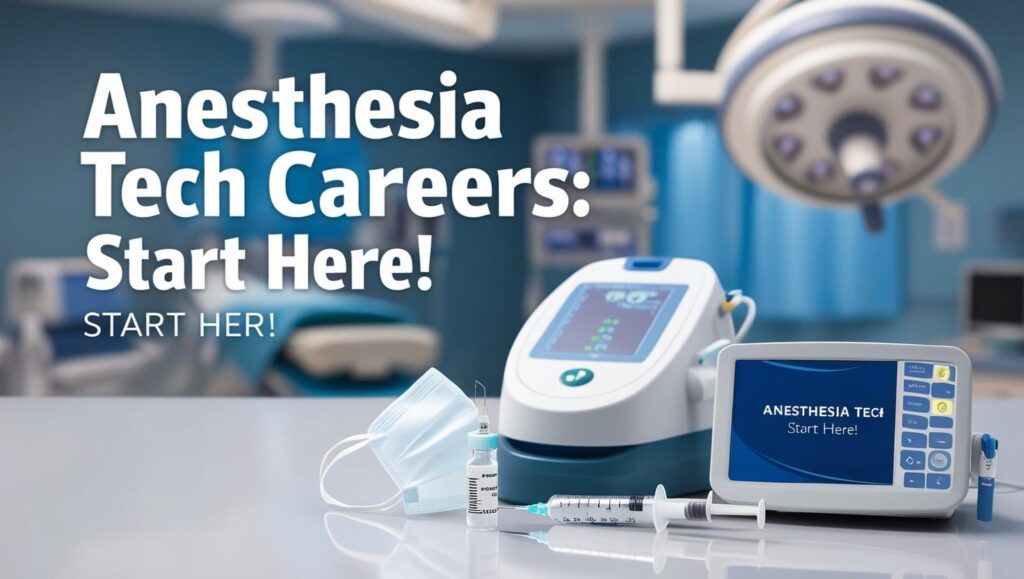
Anesthesia Tech are vital members of surgical teams, ensuring the safe administration of anesthesia during medical procedures. With the healthcare industry growing rapidly, this career offers stability, competitive salaries, and opportunities to save lives. In this guide, we’ll explore what anesthesia techs do, how to enter the field, and why this role is critical to modern healthcare.
What Does an Anesthesia Tech Do?
Anesthesia techs work under the supervision of anesthesiologists and nurses to prepare, maintain, and troubleshoot equipment used in anesthesia delivery. Key responsibilities include:
- Setting up and calibrating anesthesia machines, monitors, and ventilators.
- Sterilizing equipment and ensuring supplies are stocked.
- Assisting with patient monitoring during surgery.
- Troubleshooting equipment malfunctions in high-pressure situations.
How to Become an Anesthesia Technician

1. Education
- High School Diploma: Focus on biology, chemistry, and math.
- Postsecondary Training: Enroll in a certified anesthesia technology program (1-2 years). Look for programs accredited by the American Society of Anesthesia Technologists and Technicians (ASATT).
2. Certification
- Certified Anesthesia Technician (Cer.A.T.): Requires passing the ASATT exam.
- Optional: Advanced certifications like Certified Anesthesia Technology Specialist (Cer.A.T.S.) for career growth.
3. Gain Experience
- Complete clinical rotations during your program.
- Apply for entry-level roles in hospitals, outpatient surgery centers, or dental clinics.
Key Skills for Success
- Attention to Detail: Precision in equipment setup and drug calculations.
- Technical Aptitude: Proficiency with anesthesia machines and monitors.
- Calm Under Pressure: Ability to respond quickly during emergencies.
- Teamwork: Collaborate with surgeons, nurses, and anesthesiologists.
Work Environment and Salary
- Settings: Hospitals (80%), ambulatory surgery centers, emergency rooms.
- Salary: Median annual wage of $52,000 (varies by location and experience).
- Job Outlook: Growing demand due to an aging population and increased surgical needs (projected 9% growth by 2032).
Why Choose This Career?
- Impact: Directly contribute to patient safety and surgical success.
- Flexibility: Opportunities in diverse healthcare settings.
- Career Advancement: Transition to roles like anesthesia assistant or educator.
FAQs About Anesthesia Tech Careers
Q: Is anesthesia tech the same as a nurse anesthetist?
A: No. Nurse anesthetists (CRNAs) administer anesthesia, while techs handle equipment and support.
Q: How long does certification take?
A: Most programs take 12-24 months, plus exam preparation.
Q: Can I work part-time as an anesthesia tech?
A: Yes! Many hospitals offer flexible shifts, including nights and weekends.
Conclusion
A career as an anesthesia tech offers a rewarding path in healthcare without requiring a four-year degree. With the right training and certification, you’ll play a pivotal role in ensuring safe surgeries and improving patient outcomes. Ready to take the next step? Explore ASATT-accredited programs and launch your journey today!