
Introduction to Semantic SEO
What Is Semantic SEO?
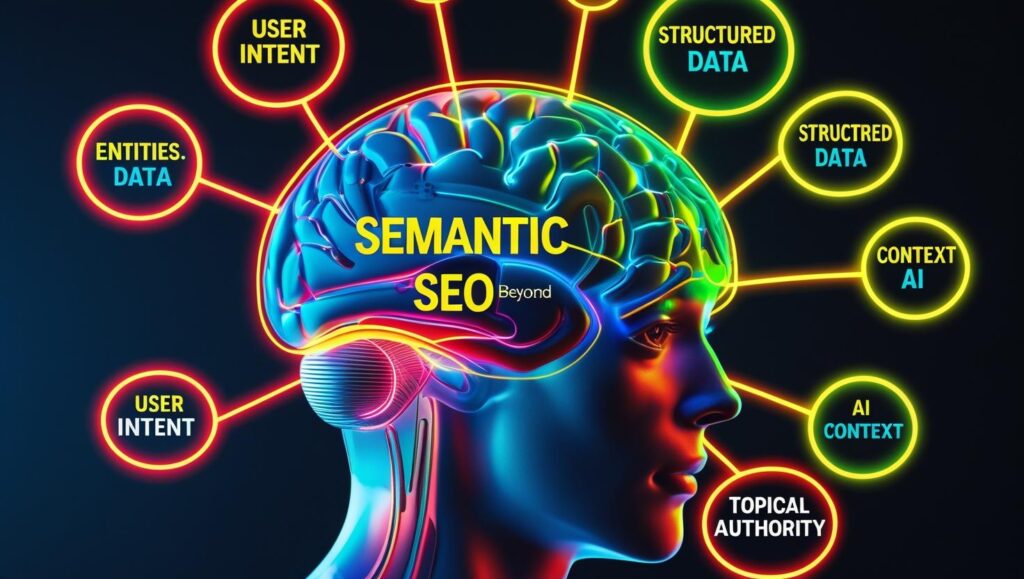
Semantic SEO is all about optimizing your content to not just rank for a few keywords, but to fully satisfy the search intent behind those keywords. It dives into meaning, context, and relevance. Unlike traditional SEO, it’s not about stuffing your content with exact-match keywords — it’s about making your content smarter and more useful.
Why Is Semantic SEO Important Today?
Search engines like Google have evolved. Thanks to AI and machine learning, they now understand the meaning behind queries, not just the words. Semantic SEO ensures your content aligns with this understanding. If you’re still playing the keyword game from 2010, you’re already behind.
Who Is Ben Stace?
A Brief Background
Ben Stace is a well-respected name in the digital marketing and SEO space. Known for his in-depth knowledge and hands-on experience, Ben specializes in advanced SEO tactics that are future-proof, and semantic SEO is right up his alley.
His Role in SEO Innovation
Ben isn’t just following SEO trends — he’s shaping them. He’s one of those pros who blends data science with marketing. His strategy doesn’t stop at ranking content; it ensures content becomes a resource for users and machines alike.
Ben Stace’s Unique Approach to Semantic SEO
Focus on User Intent Over Keywords
One thing Ben emphasizes is user intent. He asks: What does the user actually want to know? His content strategies are built around this idea. Rather than chasing keywords, he builds pages that answer entire topics from every angle.
Contextual Relevance Over Keyword Stuffing
Ben knows Google values contextual relationships. That’s why he uses related entities and concepts around a topic. If you’re writing about “Apple,” does your content talk about “iPhone,” “MacBook,” or “Steve Jobs”? That’s how context builds authority.
Structured Data Implementation
Ben takes structured data seriously. He uses schema markup to tell search engines exactly what each piece of content is about — whether it’s a product, FAQ, person, or review. It’s like giving Google a roadmap to your content.
How He Builds Topical Authority
Creating Content Clusters
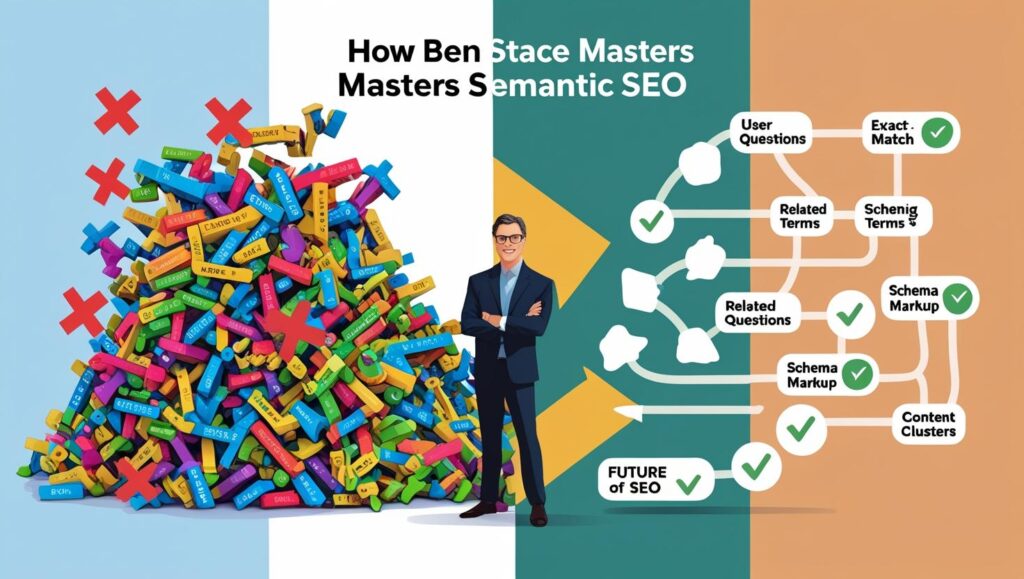
One of Ben’s biggest techniques is using content clusters. He builds a “pillar page” on a broad topic and then creates multiple sub-pages that link back to it. This strengthens the site’s topical authority and keeps users navigating the site.
Leveraging Internal Linking for Relevance
Ben is surgical about internal linking. He connects related pages using relevant anchor text, reinforcing the relationship between topics. This not only helps SEO but also improves user experience.
Using Entities and Ontologies
He treats entities — names, places, brands — as building blocks of semantic SEO. By connecting entities through content, he makes his pages richer in meaning. Tools like Google’s Knowledge Graph and Wikidata help with this process.
Tools and Techniques Used by Ben Stace
Semantic Keyword Tools He Recommends
Ben uses tools like:
- InLinks
- MarketMuse
- Frase.io
These tools go beyond basic keyword data — they uncover related terms, questions, and concepts to enrich content semantically.
AI and NLP Integration
Natural Language Processing (NLP) is at the heart of Ben’s strategy. He uses NLP tools to analyze the tone, sentiment, and entity relationships within content to ensure it aligns with how Google interprets it.
Use of Knowledge Graphs and Schema Markup
Ben employs knowledge graphs to connect content to real-world concepts. By mapping topics and entities, he ensures search engines recognize the semantic depth of his content.
Content Strategy with Semantic SEO
Writing for People, Optimizing for Machines
Ben writes in a human voice. He knows that readability and clarity matter. But behind the scenes, the content is structured and layered to help search engines digest every section.
Depth Over Breadth in Topics
He doesn’t just skim the surface. When Ben writes about a topic, he goes deep — exploring use cases, examples, definitions, FAQs, and expert insights. This thoroughness builds credibility.
Building a Semantic Map
Before writing, Ben often creates a semantic map — outlining related terms, questions, and subtopics. This serves as a blueprint to ensure the content covers everything the user (and Google) could possibly want to know.
Case Studies and Real-Life Successes
SEO Growth Through Semantic Techniques
Ben helped a tech startup go from zero to 50K monthly visits in under six months — solely by applying semantic SEO strategies. No backlinks. Just smart, relevant content that answered real questions.
Examples from His Projects
In one campaign, he restructured a website’s blog into topic clusters. Within weeks, rankings for competitive terms jumped, and bounce rates dropped. Why? The content was now interconnected and deeply informative.
Common Misconceptions About Semantic SEO
Is It Just About Keywords?
Nope. In fact, focusing too much on keywords can backfire. Semantic SEO is about meaning, context, and relevance. It’s like teaching Google how to think, not just what to read.
Misunderstanding the Role of AI in SEO
AI doesn’t write your content for you — it helps you understand how people and search engines interpret it. Ben uses AI to guide, not replace, human creativity.
What You Can Learn from Ben Stace
Actionable Tips for Your Website
- Create pillar pages and cluster content
- Use schema markup for clarity
- Research user intent, not just keywords
- Write naturally and in-depth
- Use semantic keyword tools
Avoiding Common Pitfalls
- Don’t rely on keyword stuffing
- Avoid thin content
- Don’t ignore internal linking
- Don’t write for bots — write for humans and bots
Conclusion
Ben Stace doesn’t play by the old SEO rulebook. He’s creating his own playbook by embracing semantic SEO — a strategy focused on meaning, relevance, and intent. Whether you’re an SEO beginner or a seasoned pro, there’s a lot to learn from his approach. It’s not about tricking the algorithm anymore. It’s about speaking its language — and Ben’s fluent.
FAQs
What makes Ben Stace’s semantic SEO different?
Ben goes beyond keywords. He focuses on context, structure, and meaning, using advanced tools and real human insights.
Do I need AI tools to start semantic SEO?
Not necessarily. They help, but what really matters is understanding your audience and creating content that answers their questions completely.
How quickly can I see results?
It depends on your niche and competition, but many of Ben’s clients see noticeable improvements in as little as 30 to 90 days.
Can small websites use these strategies?
Absolutely. In fact, semantic SEO can be a game-changer for smaller sites trying to compete with big players.
Is semantic SEO the future of search?
Without a doubt. As Google gets smarter, semantic SEO is becoming the standard, not the exception.